On the Other Side of the Table
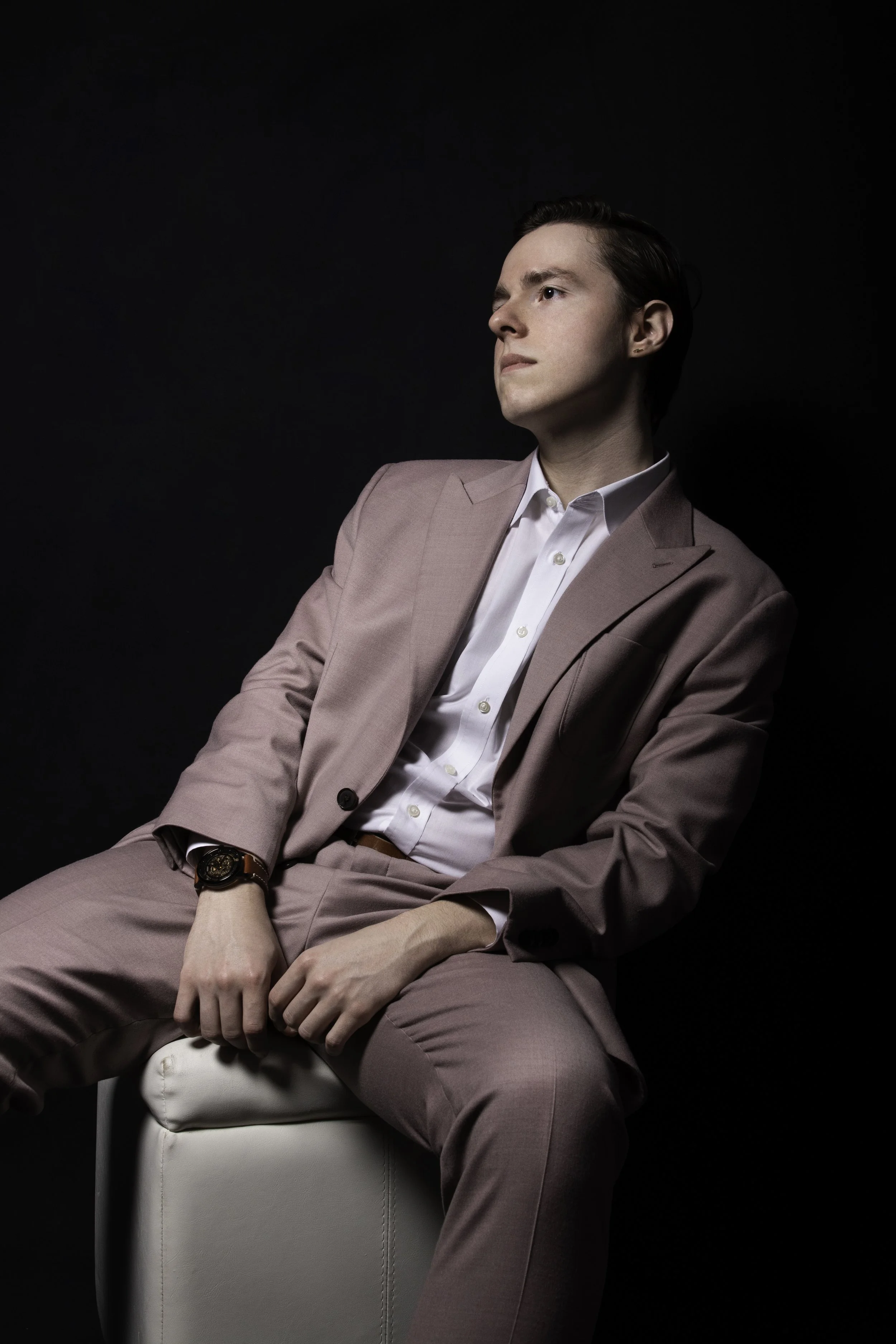
While singing is my primary passion, I have been leaning further and further into the production aspects of opera in recent years. I was first inspired to pursue directing alongside my singing career during my time at McGill, where I had the incredible opportunity to work alongside the prolific stage director David Lefkowich, serving as his assistant director and intimacy coordinator on Massenet's Cendrillon, and the intimacy coordinator in Handel’s Semele. I have gone on to assistant direct with Out of The Box Opera in Minneapolis, as well as Virginia Opera.
As an intimacy coordinator, I am passionate about building a safe, consent-forward environment for staging an opera. In my four years at the University of Cincinnati, I had the pleasure and honor of working with Susan Moser, our choreographer and intimacy coordinator, from whom I first learned the foundations of the craft.
Most recently, I have also added fight choreographer to my list of credits. My background in intimacy and stage direction, combined with my years as a competitive fencer and fencing instructor, gave me the perfect set of tools to create the illusion of danger with stage combat. Working with the Boston Early Music Festival, I was able to bring the thrill of Baroque épée dueling to life in their production of La Stellidaura vendicante.
Dance
Like many of my colleagues, I started my musical journey in the world of musical theatre. Performing in my first student musical at age four, and my first professional production at nine, I’m lucky to have been performing nearly as long as I've been alive. Along with my musical theatre upbringing came my passion for dance. Alongside my constant rehearsals and school work, I found myself travelling up to Point Park University every weekend for ballet, jazz, and tap classes, which I would continue to study for over ten years.
I am an advocate for bringing to life the often unfairly cut dances in Baroque operas, and I am always the first to volunteer for a dance whether it be a gigue or minuet. In recent years, modern dance has captured my interest, despite not growing up with it. The freedom and trust placed in the hands of the performer make for a truly energizing art form, not all that different from Baroque performance.
Piano and Harpsichord
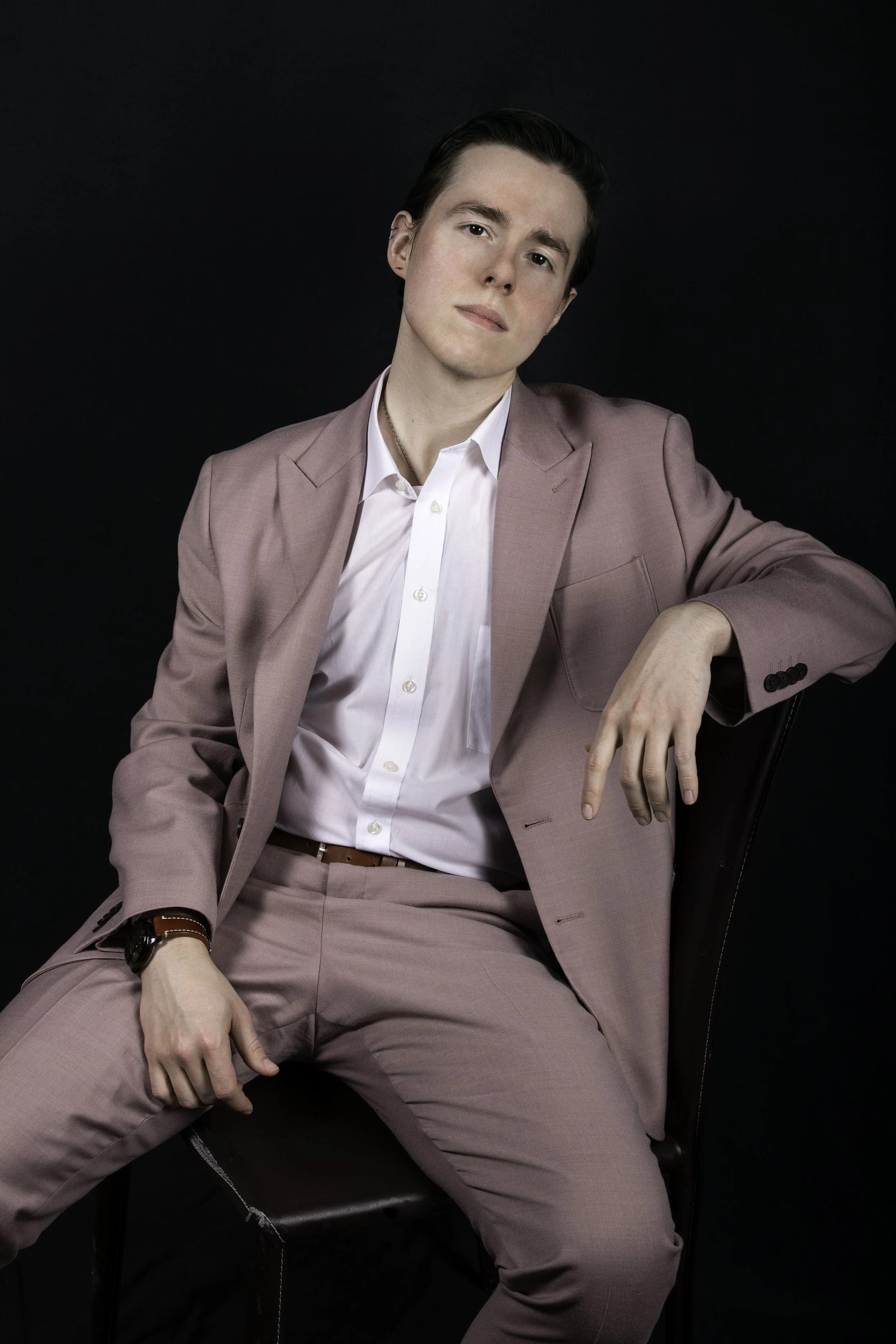
Ever since I began keyboard, I have greatly enjoyed accompanying other singers and performing on harpsichord and piano. I started my undergraduate degree at CCM with only a few years of piano experience, but was fortunate enough to work with and study harpsichord under the incredible pedagogue and harpsichordist, Dr. Michael Unger. This is also where my love of Baroque music started; the idea that music is an outline to be realized by the performer for a truly unique performance.
I am also an avid jazz pianist, having played in jazz bars across the US in Cincinnati, Montreal, San Diego, and Boston. To me, jazz piano is extremely alike to playing keyboard in a continuo ensemble: The same part of my brain that realizes figured bass on harpsichord is parsing lead sheets and elaborating on chord progressions on piano.
Fencing
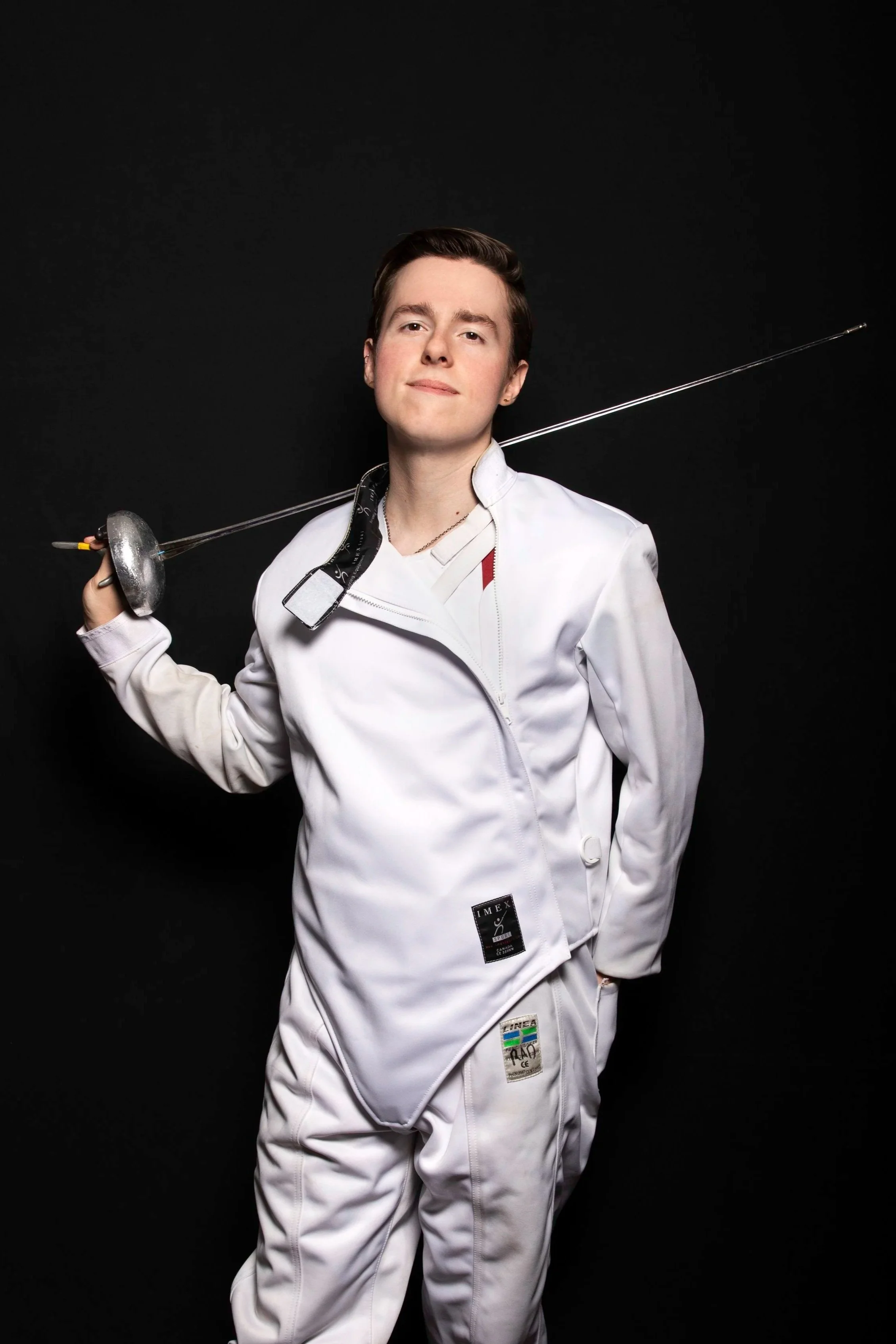
“Perhaps my most surprising pastime is my fencing career. A nationally rated fencer in the United States, I still represent the Ligonier Fencing Club, was the captain of the University of Cincinnati Fencing Club, and was an instructor and armorer for the McGill University Fencing Club.
I am of the opinion that musicians and athletes have a tremendous amount in common, and have much to learn from each other. In my teaching career, I have benefitted greatly from having taught both athletes and musicians. Particularly when teaching voice, an instrument inextricably connected to the body, I find myself viewing my voice students quite the same as my épéeists: both students need to forge a strong mind-body connection, build repeatable muscle memory, and are striving for physical precision.
© Reed Demangone 2024